info@torrancewaterheaterrepair.com (424) 414-1480 Torrance, United States
Torrance Water Heater Repair Logo (424) 414-1480
Serving Torrance
Free referral service · Licensed local pros

Fix Smelly Hot Water in Torrance

Rotten Egg Odor from Your Water Heater? Torrance Technicians Diagnose and Treat It Fast.

Licensed & Insured
Local Pros Near You
Local Pros

Or call directly: (424) 414-1480

Call Line
FreeTo Homeowners
LocalLicensed Pros
UpfrontPricing

Why Professional Smelly Hot Water Matters

Torrance Water Heater Repair connects Torrance homeowners with licensed local technicians who diagnose and fix water heater problems at the source.

Related Water Heater Problems And Symptoms Services

Professional Rusty Hot Water in Torrance carried out by a licensed technician

Rusty Hot Water

Discolored, metallic-tasting water fixed fast — protecting your pipes, appliances, and family's health.
Rusty Hot Water
Professional Water Heater Popping Noise in Torrance carried out by a licensed technician

Water Heater Popping Noise

That loud rumbling usually means dangerous sediment buildup — we flush it out before it costs you more.
Water Heater Popping Noise
Professional Water Heater Not Heating in Torrance carried out by a licensed technician

Water Heater Not Heating

Waking up to a cold shower?
Water Heater Not Heating

More Related Water Heater Problems And Symptoms Services

Cold Shower? Hot Water Restored

Waking up to no hot water in Torrance isn't just an inconvenience — it disrupts your entire morning. If the issue connects to heating failure, see our Water Heater Not Heating page, or check Water Heater Leaking if you spot moisture nearby.

  • ✓ means no cold nights waiting for parts
  • ✓Local pros carry replacement thermostats and igniters on every truck
  • ✓Repairs are quoted upfront — zero surprise charges
  • ✓Most fixes are completed in under two hours
No Hot Water
Cold Shower? Hot Water Restored - Licensed

Stop That Leak Before Flooding Starts

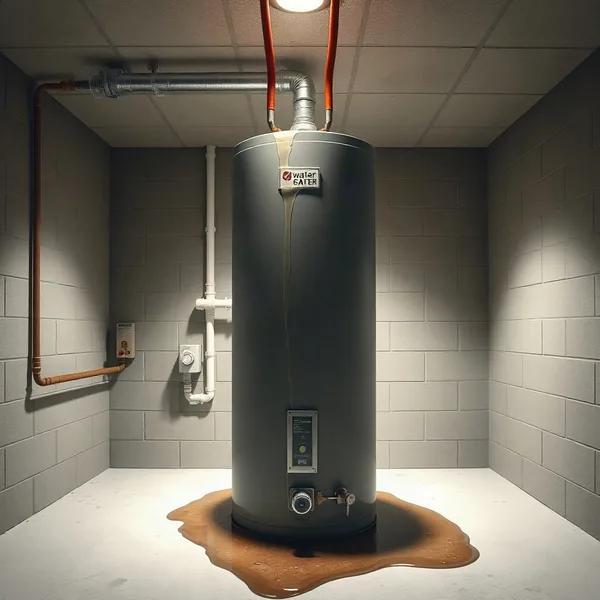
A puddle under your water heater isn't just inconvenient — it signals tank corrosion, a failing T&P valve, or a loose shutoff valve that can escalate into hundreds of dollars of water damage within hours. If the leak has already cut your hot water supply, see our related No Hot Water and Water Heater Leaking From Bottom pages.

  • ✓ prevents costly floor and structural damage
  • ✓We isolate the shutoff valve immediately to stop water flow
Water Heater Leaking
Stop That Leak Before Flooding Starts - Licensed

Water Pooling Under Your Heater?

A puddle beneath your water heater isn't just annoying — a failing tank bottom seamOur network of licensed pros pinpoint whether you're dealing with a corroded seam, a loose drain valve, or harmless condensation in minutes, then fix the actual cause — not just the symptom. If the leak has already cut your hot water supply, see our No Hot Water and Water Heater Leaking services.

  • ✓We stop leaks before tank failure causes structural damage
  • ✓ available throughout Torrance — no waiting
  • ✓Persistent leaks can also trigger a Water Heater Not Heating failure fast
Water Heater Leaking From
Water Pooling Under Your Heater? - Licensed

Pilot Light Keeps Going Out?

A pilot light that won't stay lit leaves you with cold showers and no answers — and in Torrance, that's a problem local pros fix . The most common culprit is a failing thermocouple, a small sensor that signals the gas control valve to keep fuel flowing. When it weakens, the pilot assembly can't hold a flame. If you're also seeing No Hot Water or your unit is Water Heater Not Heating consistently, these issues are often connected.

  • ✓Local pros carry thermocouples and pilot assembly parts on every service call
  • ✓No repeat visits, no waiting on back-ordered parts.
  • ✓Gas control valve failures are also caught before they become dangerous
Water Heater Pilot Light
Pilot Light Keeps Going Out? - Licensed

Explore Additional Services

Professional Water Heater Leaking From Top in Torrance carried out by a licensed technician

Water Heater Leaking From Top

Stop inlet valve or pressure relief leaks before they soak your floor and spike your water bill.
Water Heater Leaking From
Professional Not Enough Hot Water in Torrance carried out by a licensed technician

Not Enough Hot Water

Get a properly sized fix so your whole household stops fighting over the last warm shower.
Not Enough Hot Water
Professional Hot Water Runs Out Fast in Torrance carried out by a licensed technician

Hot Water Runs Out Fast

Flush sediment buildup and restore a full tank of hot water—often within the same visit.
Hot Water Runs Out
01

Why Does My Hot Water Smell Like Rotten Eggs?

sulfur bacteriaanode rod reaction

Smelly hot water almost always traces back to sulfur bacteria living inside your water heater tank — not to the water supply itself.

These anaerobic microbes thrive in the warm, low-oxygen environment of a storage tank and react chemically with the anode rod, a sacrificial metal component designed to protect the steel tank from corrosion. That reaction produces hydrogen sulfide gas, which carries the signature rotten egg odor. The smell tends to be strongest when hot water sits unused for 12 hours or more, such as after a weekend away. In Torrance, where a large share of homes rely on 50-gallon tank configurations installed decades ago, this reaction has often been running unchecked for years before homeowners call for help.

02

Is Sulfur Smell From the Anode Rod or Bacteria in the Tank?

magnesium anodebacterial growth

Both are involved, and that distinction shapes which fix actually works.

The magnesium anode — the most common rod type installed in standard tank water heaters — is highly reactive with hydrogen sulfide-producing sulfur bacteria. Magnesium releases electrons aggressively, which keeps the tank walls protected but simultaneously fuels bacterial growth far more than other rod materials do. Bacterial growth alone would be limited without this fuel source, and an anode rod alone wouldn't smell without the bacteria consuming it. A technician who treats only one side of this equation often sees the odor return within a few months. Correctly diagnosing which factor is dominant — heavy bacteria colonization or a particularly reactive rod material — determines whether disinfection, rod replacement, or both are the right call for your tank.

03

Is Smelly Hot Water Safe to Use?

water safetyodor source

For most Torrance homeowners on municipal water, smelly hot water is unpleasant but not acutely dangerous.

The hydrogen sulfide concentration produced inside a residential tank is generally too low to cause harm during a shower. That said, the odor is a reliable signal of active anaerobic contamination inside the tank, and ignoring it lets the problem compound. If the smell appears in both hot and cold lines, the odor source is upstream of your water heater and warrants a separate water quality test. If it's isolated to the hot side only — which is far more common in Torrance — the issue is contained inside the tank and treatable. Acting within a few weeks rather than months prevents the bacterial colony from becoming more entrenched and harder to flush out.

04

How Much Does It Cost to Fix Smelly Hot Water in Torrance?

anode replacement costtank disinfection cost

Homes built between the 1950s and 1970s, which make up a substantial portion of Torrance's housing stock, frequently have older tank configurations where the anode rod port is corroded or difficult to reach, pushing labor toward the higher end of that range. If the tank is aging and odor persists after treatment, a technician may recommend replacement; in that scenario, ask about SoCalGas rebate programs on ENERGY STAR-certified high-efficiency units, which can offset a meaningful portion of a new installation's cost.

05

Can Flushing or Replacing the Anode Rod Solve the Smell?

tank flushaluminum anode rod

Yes — a tank flush combined with an anode rod swap is the standard two-part solution, and it resolves the smell in most cases within one service visit.

A tank flush removes the sediment layer at the bottom where sulfur bacteria concentrate most densely; skipping this step and only replacing the rod often leaves enough bacterial population to restart the reaction within weeks. Swapping a magnesium anode for an aluminum anode rod — specifically an aluminum-zinc alloy — reduces the chemical reactivity that feeds bacterial growth. The aluminum anode still protects the tank from corrosion but produces far less hydrogen sulfide in the process. In Torrance, where harder municipal water depletes standard rods faster than average, switching rod material addresses both the smell and the premature wear problem at the same time.
Why Choose Us for Smelly Hot Water?

Trusted water heater repair professionals serving Torrance

Anode Rod Replaced

Tank Disinfection Included

This step eliminates the bacterial colony responsible for the rotten egg odor — skipping it leaves bacteria behind to re-colonize a new anode rod within weeks.

2–3 Year Intervals

Flush Interval Advised

Because Torrance municipal water runs harder than average, bacteria-driven odor can return in 18 to 24 months with a standard magnesium rod. The technician leaves you with a written maintenance schedule — typically an anode inspection every 2 to 3 years — calibrated to local water conditions.

SoCal-Specific Fix

Local Water Chemistry

Torrance's harder municipal water accelerates anode rod depletion, which is why odor problems here recur faster than national averages suggest. Technicians select rod materials and disinfection concentrations based on Southern California water chemistry, not a generic national protocol.

How Smelly Hot Water Works

Simple steps to get your smelly hot water done in Torrance

1

Book Your Smelly Hot Water

We respond within minutes.

2

Free Smelly Hot Water Survey

3

Upfront Fixed Price

One fixed price for your smelly hot water — no hidden charges, ever.

4

Smelly Hot Water

Areas We Serve in Torrance

We connect homeowners in these ZIP codes with licensed local water heater repairs.

Torrance (90501, 90502, 90503, 90504, 90505, 90506, 90507, 90508, 90509, 90510)

Call to be connected with a licensed local pro in these ZIP codes.

Frequently Asked Questions

Why does my hot water smell like rotten eggs?

▼

The rotten egg smell from your water heater is almost always caused by sulfur-reducing bacteria that have colonized inside the tank. These bacteria react with the magnesium or aluminum anode rod — the sacrificial metal rod designed to protect the tank from corrosion — and produce hydrogen sulfide gas, which creates that distinctive rotten egg odor. In Torrance, this process can accelerate faster than in many other cities because the local water supply tends toward harder mineral content, which depletes anode rods more quickly and creates a more hospitable environment for bacterial growth. The smell is most noticeable when hot water sits unused for extended periods, such as after a vacation. Understanding why your hot water smells bad starts with this bacteria-anode rod reaction, not with the water source itself.

Is smelly hot water dangerous to shower in?

▼

In most residential cases, smelly hot water is not acutely hazardous to shower in. The hydrogen sulfide concentrations produced inside a home water heater tank are generally too low to cause physical harm during typical showering. However, the odor is a reliable indicator of active anaerobic bacteria growth inside the tank, and that bacterial presence should be treated rather than ignored. Left unaddressed, the contamination can worsen over time. The fix — typically a tank disinfection flush with a diluted hydrogen peroxide or chlorine bleach solution, or an anode rod replacement — is straightforward. If you notice the smell in both hot and cold lines, that signals a broader water supply issue requiring separate testing. For standard Torrance municipal water users, the problem is almost always isolated to the water heater tank itself.

How much does it cost to fix smelly water heater odor?

▼

Fixing a smelly water heater in Torrance typically falls into one of two service paths, each with a different cost range. Homes in Torrance built between the 1950s and 1970s — a large share of the city's housing stock — often have older tank configurations where anode rod access is more difficult, pushing labor toward the higher end. If odor persists after treatment and the unit is aging, ask about SoCalGas rebate programs on ENERGY STAR-certified high-efficiency replacements, which can offset a significant portion of the upgrade cost.

Can switching anode rod material stop the smell?

▼

Yes, swapping the anode rod material is one of the most effective long-term solutions for eliminating sulfur smell in tank-style heaters. Standard magnesium anode rods are the most reactive with sulfur-reducing bacteria and produce the most hydrogen sulfide gas. Replacing a magnesium rod with an aluminum-zinc alloy rod significantly reduces the chemical reaction that generates the odor. Alternatively, installing a powered (impressed-current) anode rod eliminates the sacrificial metal entirely, using a small electrical current to protect the tank — no hydrogen sulfide produced at all. In Torrance, where harder water accelerates the depletion of standard anode rods, homeowners often find that switching rod material addresses both the smell and the premature rod wear issue simultaneously. A licensed C-36 plumbing contractor can assess your tank's current rod and recommend the right material upgrade.

Does hard water in Torrance make water heater odor problems worse and return faster?

▼

Yes, and this is a practically important distinction for Torrance homeowners. Harder municipal water contains elevated dissolved minerals that accelerate the chemical degradation of standard magnesium anode rods inside tank water heaters. A faster-depleting anode rod means sulfur-reducing bacteria have more reactive material to consume sooner, causing the rotten egg smell to return more quickly after a standard disinfection or rod replacement. Homeowners who have treated smelly hot water once and seen the problem come back within a year or two should consider local water hardness the likely reason. The practical response is to upgrade to an aluminum-zinc or powered anode rod, or to shorten the service interval for anode rod inspection to every two to three years rather than the standard four to five. A licensed technician familiar with Southern California water conditions can recommend the right rod type and maintenance schedule for your specific tank.

Have more questions? Call us anytime!

Speak to a local water heater(424) 414-1480Call Now