01
How Much Does Water Heater Repair Cost in Torrance?
thermocoupleheating elementlabor rate
Water heater repair cost in Torrance depends entirely on which component has failed, and a licensed technician confirms exact pricing after an on-site diagnosis.
Water heater service cost for a full replacement rises further once you add the City of Torrance permit fee and, for older homes, any gas-line or venting upgrades California code requires.
02
Water Heater Repair Near Me — Do You Cover My Torrance Neighborhood?
Old TorranceSouth BayTorrance Del Amo
Yes — water heater repair near me searches in Torrance route to technicians who cover the entire city, from the craftsman streets of Old Torrance to the condo clusters near Torrance Del Amo and the single-family tracts running through the South Bay corridor. Many Torrance homes were built between the 1950s and 1970s, meaning a meaningful share of service calls involve original or once-replaced 50-gallon tanks with aging connections. Local water carries moderate mineral hardness, which accelerates sediment buildup and makes hot water repair near me calls more frequent here than in inland cities. We dispatch a local pro to your street — not a regional center hours away — so response times stay short. Water heater repair Torrance CA homeowners need is genuinely local.
03
Who Fixes Water Heaters Near Me?
licensed technicianservice call
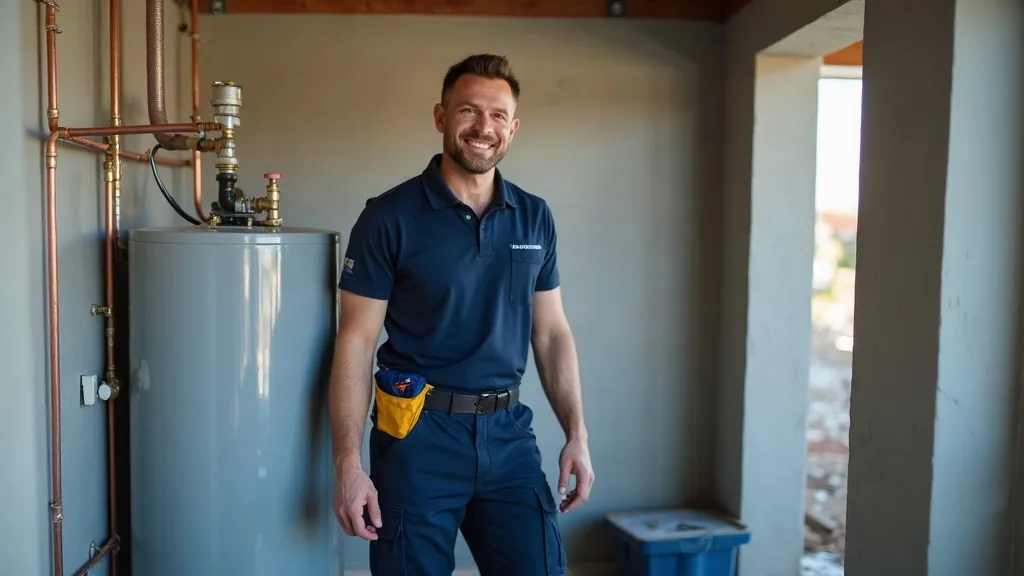
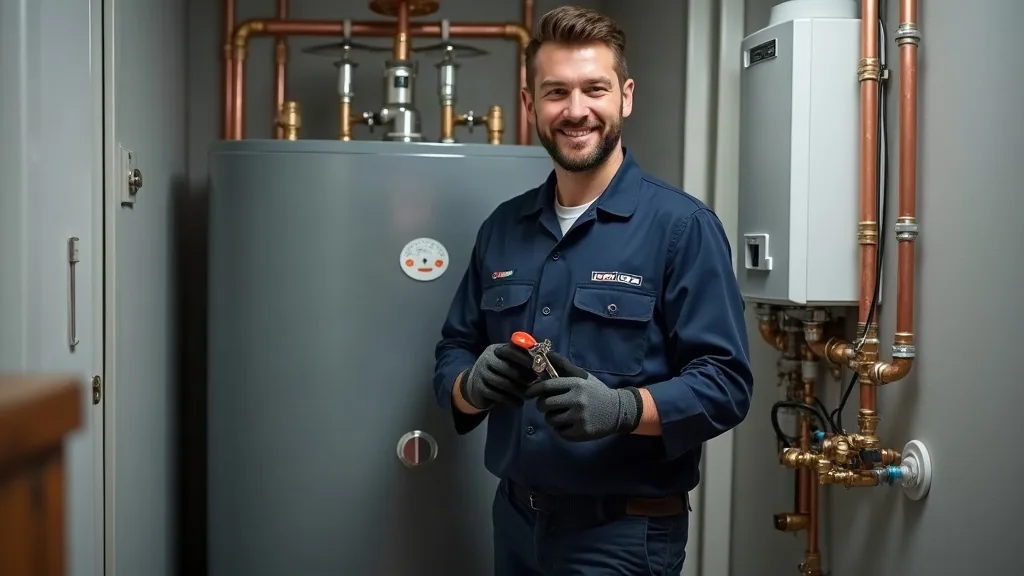
The technician who fixes water heaters near you in Torrance holds a California C-36 Plumbing license — that credential is not optional.
California law requires licensed contractors to perform or supervise any water heater replacement, and that same contractor must pull a permit through the City of Torrance Building and Safety Division before work begins. Our dispatch service vets every technician we refer for an active state license before they step through your door. A standard service call includes a full unit inspection; the technician quotes the repair before starting. Skipping a permitted, licensed pro might look cheaper on day one but risks voiding homeowner's insurance and creating complications at resale — neither is a good trade.
04
Gas, Electric & Tankless Repair Issues
gas control valveheating elementflow sensor
Gas water heater repair most often involves a failed gas control valve, a degraded thermocouple, or a blocked burner orifice — any of which stops ignition or cuts heat output by 40–60% before the unit fully quits.
Electric water heater repair centers on the heating element: one failed element leaves you with lukewarm water; both failed means cold. Gas heater maintenance should include annual burner inspection and thermocouple testing to catch drift before it causes an outage. Tankless units bring their own fault set: a clogged flow sensor triggers error codes that shut the system down, and hard-water scale inside the heat exchanger cuts efficiency sharply within 12–18 months without a tankless flush. Torrance's mild 45°F-plus winter inlet temperatures let tankless heaters operate near rated capacity year-round, which makes them a strong replacement candidate when a tank unit fails past repair.
05
Common Water Heater Problems We Diagnose
leaking tankpilot lightpressure relief valve
No hot water is the call we receive most, followed closely by a leaking tank and a repeatedly tripping reset button.
A broken water heater on a gas unit almost always traces back to a dead pilot light, a fouled thermocouple, or sediment so thick it smothers burner output. On electric units, a burned heating element is the primary culprit. A leaking tank at the fittings is usually a corroded connection or a weeping pressure relief valve — both fixable. A tank leaking from the body itself signals internal corrosion and means replacement, not repair. Homeowners sometimes attempt water heater repair DIY for minor resets, but a water heater repairman should handle anything involving gas connections, pressure relief valve testing, or internal component replacement to stay code-compliant and safe.
06
Water Heater Maintenance & Tune-Ups That Prevent Repairs
anode rodsediment flushtank drain
Hot water heater maintenance in Torrance should happen on a shorter cycle than national recommendations suggest, because South Bay water carries enough dissolved minerals to accelerate internal wear.
A sediment flush — connecting a hose to the tank drain and purging the settled calcium layer — should happen every 12 months; skipping it forces the burner or heating element to push heat through an insulating sediment bed, cutting efficiency and shortening element life. The anode rod is the tank's primary corrosion defense: it sacrifices itself so the steel lining doesn't corrode. In Torrance's moderately hard water, inspect and replace the anode rod every two to three years rather than the four-to-five-year national average. A water heater tune-up that catches a depleted anode rod early routinely adds three to five years to tank life.
07
Commercial Water Heater & Plumber-Referral Services
commercial tankrecirculation pump
Commercial water heater repair in Torrance covers restaurants, laundromats, multi-unit residential buildings, and light industrial facilities where a failed commercial tank means lost revenue by the hour.
The licensed water heater technicians we refer handle high-input gas commercial tanks — 75-gallon to 100-gallon-plus — as well as recirculation pump failures that leave remote fixtures cold despite a functioning unit. A recirculation pump fault is a common overlooked cause of 'no hot water' complaints in larger buildings. Water heater experts dispatched through our referral network carry the parts inventory and California code knowledge to work on commercial systems, pull commercial-grade permits, and coordinate with SoCalGas where meter upgrades or high-demand gas lines are involved. Response times for commercial calls are prioritized — downtime costs real money.