01
Where Can a Water Heater Be Relocated in Your Home?
moving strapsgarage placement
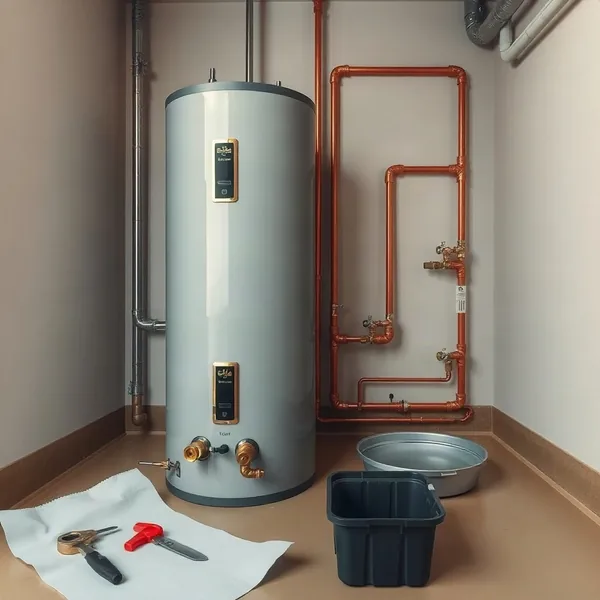
A water heater can be moved to a garage, an interior utility closet, a dedicated mechanical room, or an attic — each location is viable as long as it meets California code.
Garage placement is the most common destination in Torrance: a gas unit with an open-flame burner must sit at least 18 inches above the floor to keep the ignition source above potential gasoline vapors. Wherever the unit lands, California Health and Safety Code Section 19211 requires a seismic strap rated for the unit's weight — there are no exceptions in Los Angeles County's seismically active zone. The technician will evaluate water line routing, venting path, and gas supply before confirming which location is practical and code-compliant.
02
Are Water Heaters Allowed Inside a House in California?
combustion aircode compliance
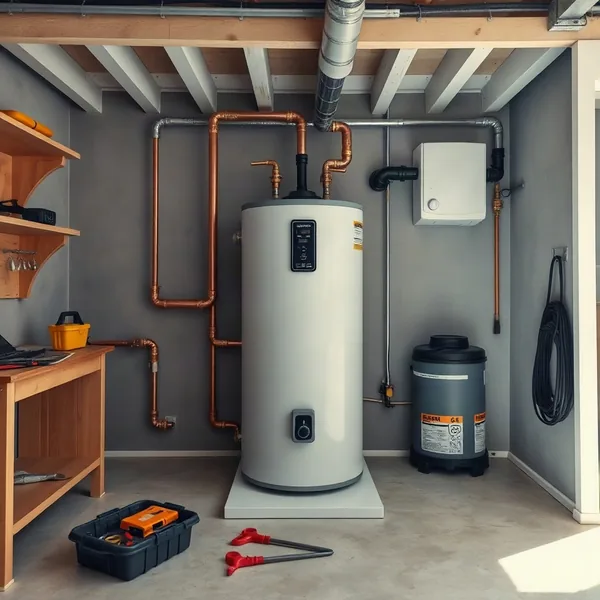
Yes — California allows indoor gas water heater installation provided the setup meets the state's mechanical and plumbing codes.
The two non-negotiable requirements are proper venting to the exterior and adequate combustion air volume for the burner. Combustion air is typically supplied through louvered doors, wall vents, or a dedicated fresh-air duct sized per the California Mechanical Code — a closet that is too tight will fail inspection. The unit also needs a drain pan beneath it with a drain line routed to a safe discharge point. In Torrance, every indoor installation requires a permit from the City of Torrance Building and Safety Division, and code compliance is verified by a city inspector before the permit is closed — skipping this step creates insurance and resale risk under state law.
03
Why Are Water Heaters Installed in Attics or Garages in Torrance Homes?
drain panoverflow line
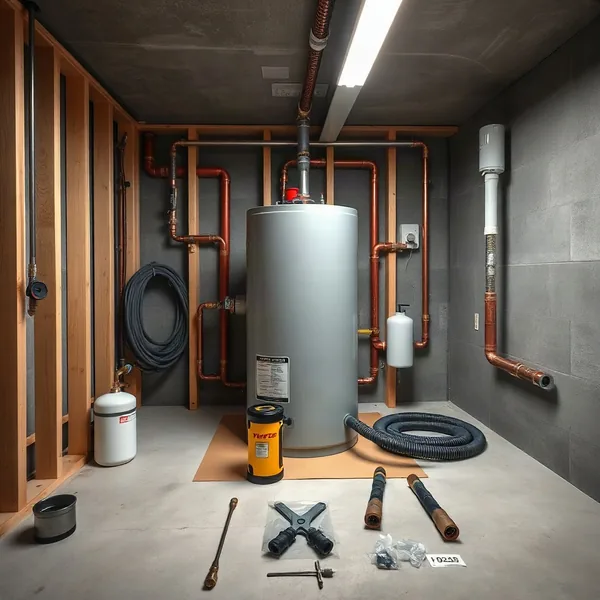
Attic and garage installations became standard in Torrance's mid-century housing stock — most of which was built between the 1950s and 1970s — because floor plans rarely included a dedicated utility room.
A garage keeps the unit accessible while freeing interior square footage; an attic tucks it out of the way entirely. Attic placements carry the strictest requirements: a correctly sized drain pan must sit beneath the unit with a minimum ¾-inch overflow line routed to discharge in a visible location, so a slow leak shows up before it damages the ceiling below. Gas supply, flue venting, and seismic strapping all have to be run to the attic space, which pushes attic jobs toward the higher end of the relocation cost range.
04
How Much Does Water Heater Relocation Cost?
new plumbing runventing change
If the relocation coincides with a unit replacement, SoCalGas rebates on ENERGY STAR-certified or tankless models can meaningfully offset the total — ask the technician to itemize labor, materials, and permit fees separately so you can compare accurately.
05
Permits Needed to Move a Water Heater in Torrance
Torrance building permitinspection
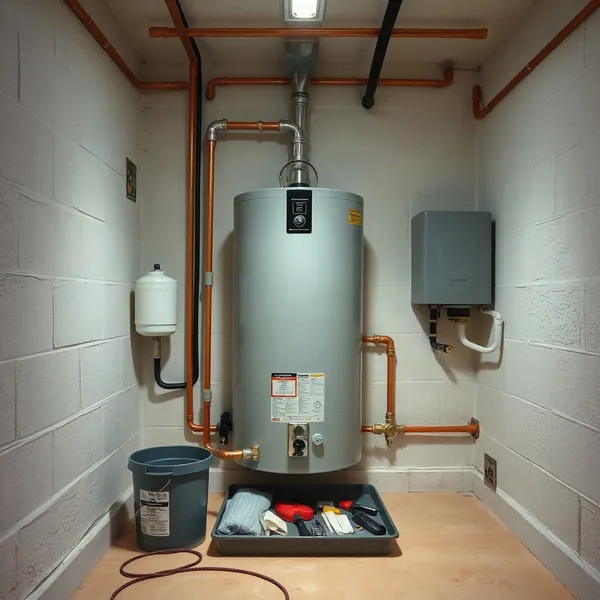
Any relocation that touches a gas line, extends water supply connections, or reroutes venting requires a Torrance building permit from the City of Torrance Building and Safety Division — which means virtually every real relocation project triggers one. The permit must be pulled by a licensed C-36 Plumbing contractor before work starts, not after. Once the job is complete, a city inspector checks that the T&P valve relief line terminates correctly, the seismic strap meets California Health and Safety Code Section 19211, and combustion air and drain pan requirements are satisfied at the new location. Unpermitted water heater work can void homeowner's insurance coverage on related claims and creates a mandatory disclosure obligation when the property is sold in California.