01
Common Water Heater Symptoms Torrance Homeowners Should Not Ignore
Rumbling or popping sounds during a heating cycle usually mean sediment has baked onto the tank floor — a direct consequence of Torrance's moderately hard municipal water, which accelerates mineral buildup faster than homeowners expect.
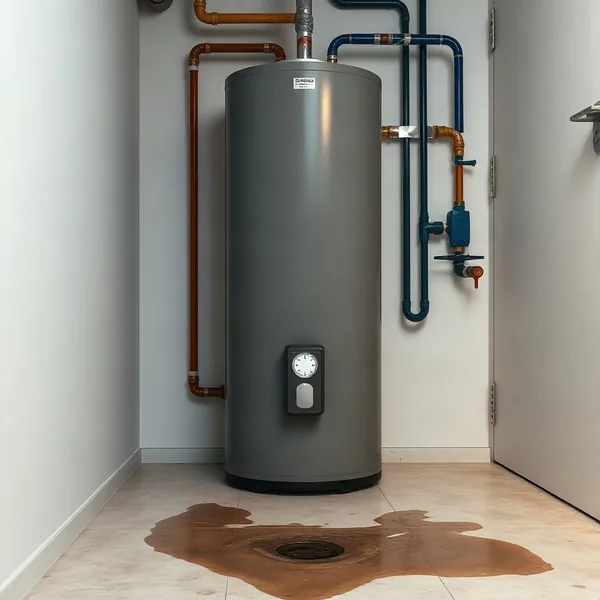
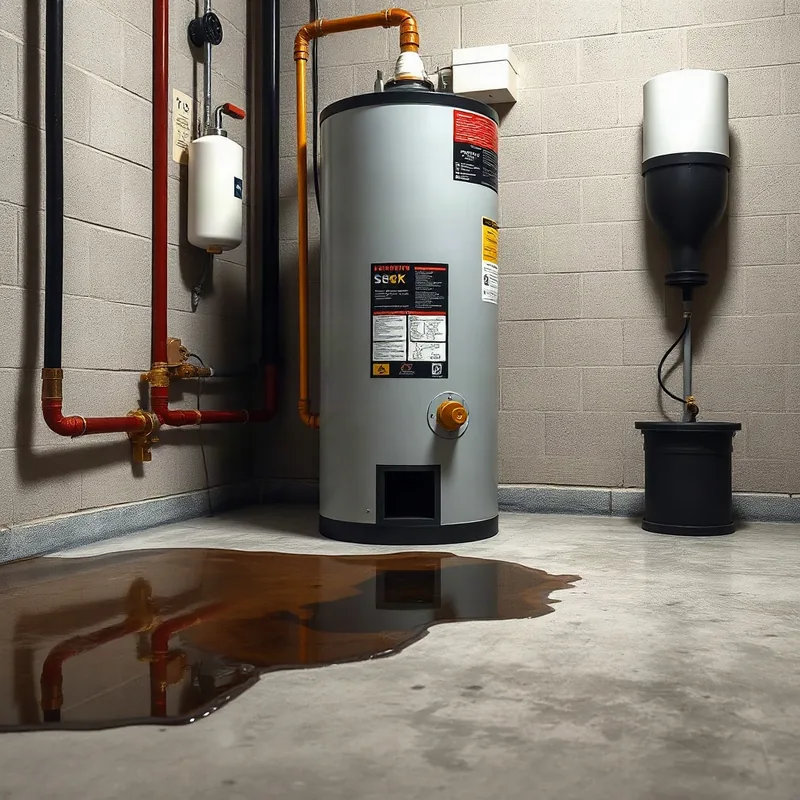
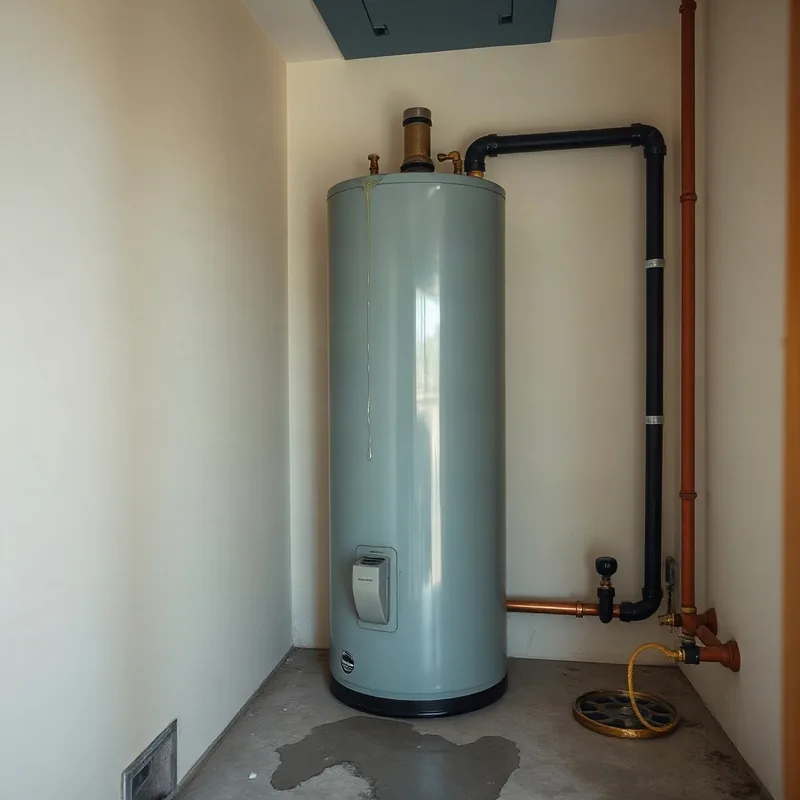
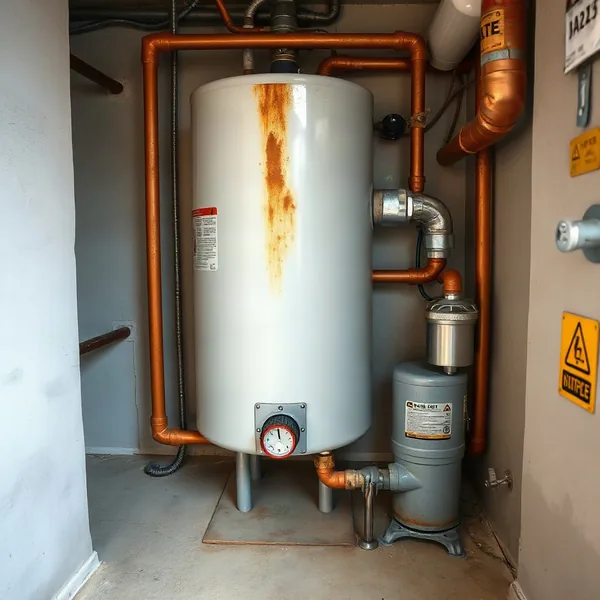
Rusty or discolored hot water points to a depleted anode rod or internal tank corrosion. A rotten-egg odor suggests bacterial growth inside a tank that hasn't been flushed recently. Water pooling at the base almost always signals a failing tank body or a leaking pressure relief valve. Any of these symptoms in a unit older than 10 years typically tips the calculation toward replacement rather than repair.
02
Why Hard Water in Torrance Shortens Water Heater Life
Torrance's municipal water carries enough dissolved minerals to noticeably shorten the service life of a standard tank water heater.
Calcium and magnesium deposits settle at the bottom of the tank, forcing the burner or heating element to work harder and longer to reach set temperature. More critically, hard water accelerates anode rod depletion — the sacrificial rod that protects the tank lining from corrosion. In softer-water regions an anode rod might last eight to ten years; in Torrance, many technicians recommend inspection at five to six years. Catching a depleted rod before it's gone is the single most cost-effective maintenance step a tank-unit owner can take.
03
Repair vs. Replace: How the Math Works in Torrance
The standard rule of thumb — replace if repair cost exceeds 50% of a new unit's price — applies here, but Torrance adds two variables worth knowing.
04
Permits, Seismic Strapping, and California Code Requirements
Replacing a water heater in Torrance is not a permit-optional project.
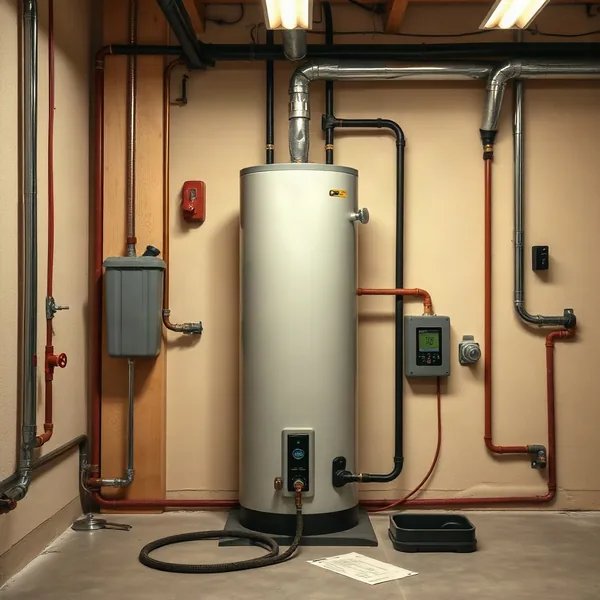
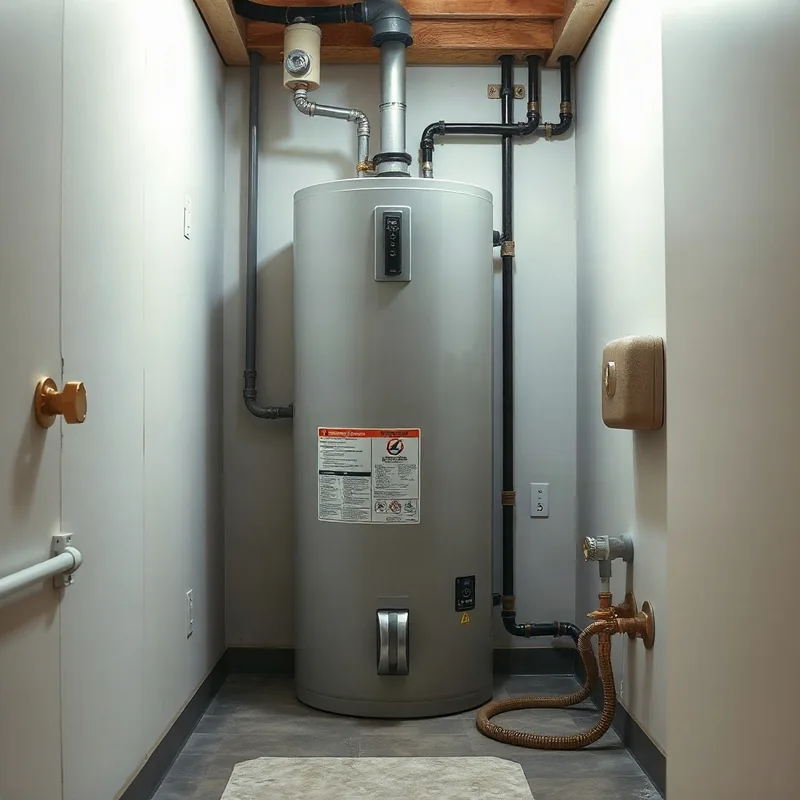
The City of Torrance Building and Safety Division requires a permit for every replacement, and the work must be performed by a licensed C-36 Plumbing contractor. California Health and Safety Code Section 19211 also mandates earthquake strapping on every unit — Torrance sits in a seismically active zone, and an unstrapped water heater is both a code violation and a genuine hazard during a seismic event. Skipping permits can complicate homeowner's insurance claims and create problems at resale, so confirming your technician pulls the proper paperwork before work begins is non-negotiable.
05
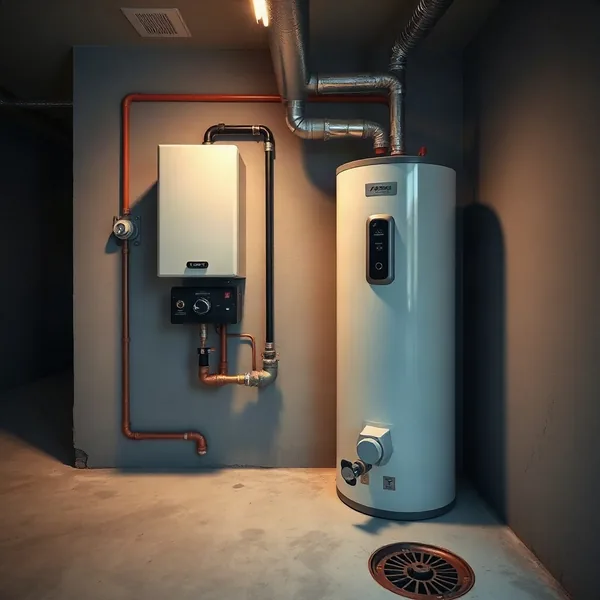
When Tankless Makes Sense for a Torrance Home
Torrance's mild Mediterranean climate keeps ground and inlet water temperatures relatively warm year-round, rarely dropping below 45°F.
That matters for tankless performance: cold inlet water forces a tankless unit to work harder, reducing its effective output. Because Torrance avoids those cold-climate penalties, a properly sized tankless unit here consistently delivers output close to its manufacturer rating. Pair that with SoCalGas rebate eligibility on qualifying ENERGY STAR-certified models and California Title 24 compliance requirements that already push buyers toward high-efficiency units, and tankless becomes a genuinely competitive choice for Torrance homeowners whose aging tank units are approaching the end of their useful life.