01
Why Is My Hot Water Heater Not Working?
thermocoupleheating elementgas control valve
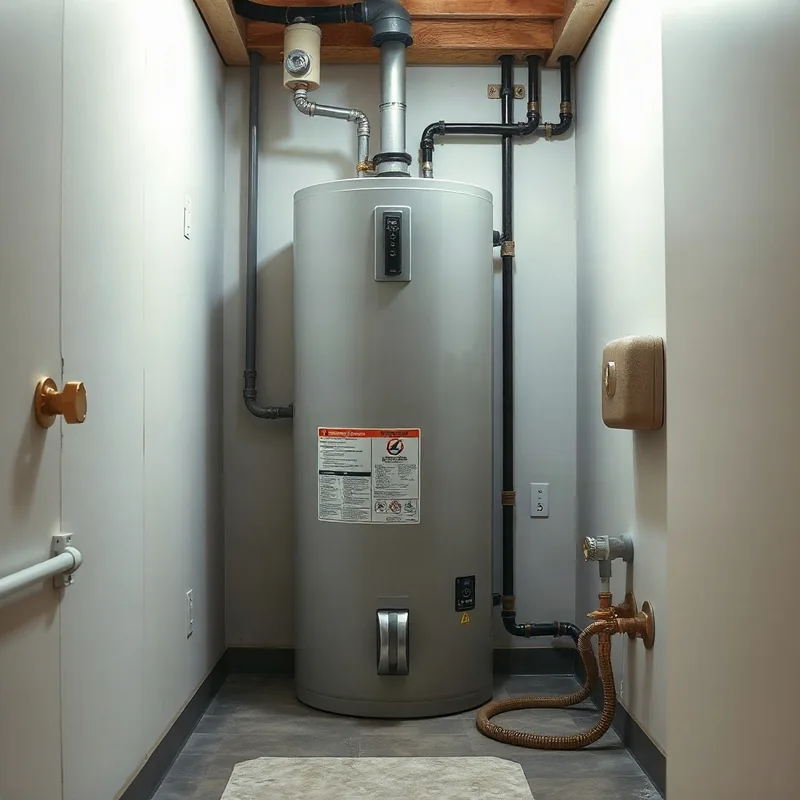
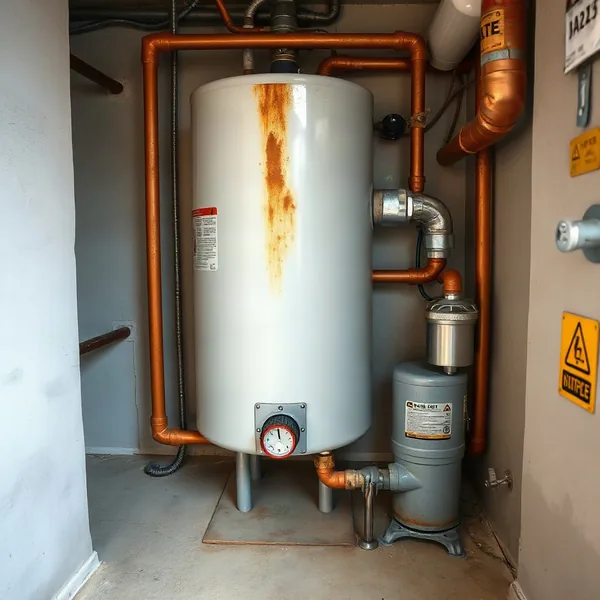
Your hot water heater is not working because one of four systems has failed: the ignition source, the heating component, the control valve, or the tank itself.
On a gas unit, a dead thermocouple is the single most common reason the burner won't stay lit — the thermocouple is a small sensor that signals the gas control valve to stay open, and when it fails, the valve closes as a safety measure. On an electric unit, a burned-out heating element stops the tank from reaching set temperature.
02
What Are the Most Common Causes of No Hot Water?
sediment buildupthermostatpilot light
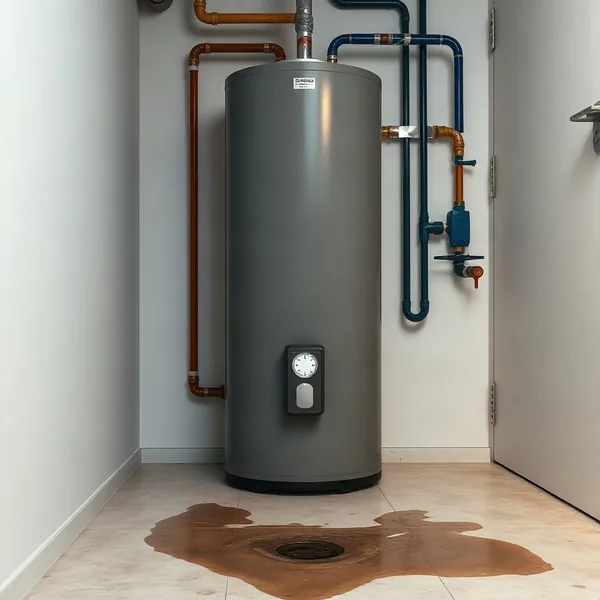
No hot water in the house traces back to five causes in order of likelihood: a failed pilot light, a tripped breaker or blown fuse, a faulty thermostat set below the delivery threshold, a burned-out heating element, and heavy sediment buildup at the bottom of the tank. When your water heater stopped working without warning, sediment is often the hidden reason — a thick mineral layer insulates water from the burner or element, and the unit simply can't push enough heat through it. A thermostat failure can mimic sediment symptoms, because both reduce output gradually rather than cutting it off all at once. Distinguishing between them requires a hands-on check, not guesswork.
03
Could a Tripped Breaker or Pilot Issue Be to Blame?
circuit breakerreset buttonGFCI
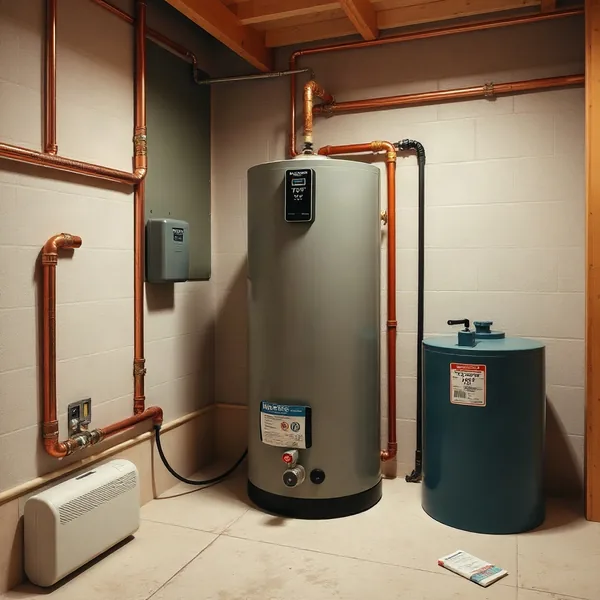
A water heater that won't turn on at all usually points to one of two things: a tripped circuit breaker on an electric model or an extinguished pilot light on a gas model.
Check your breaker panel first — electric water heaters run on a dedicated 240-volt double-pole breaker, and a surge can flip it without warning. Flip it fully off and back on, then wait 45 to 60 minutes before deciding the reset failed. If your unit has a GFCI outlet nearby, check that too. On gas models, re-light the pilot following the label instructions on the unit. If the breaker trips again immediately, or the pilot won't stay lit after three attempts, stop — that signals a deeper problem requiring a licensed technician.
04
Gas or Electric: Does the Cause Change by Water Heater Type?
gas supply valveelectric heating elementtankless unit
Yes — the cause shifts significantly depending on whether you have a gas water heater or an electric water heater.
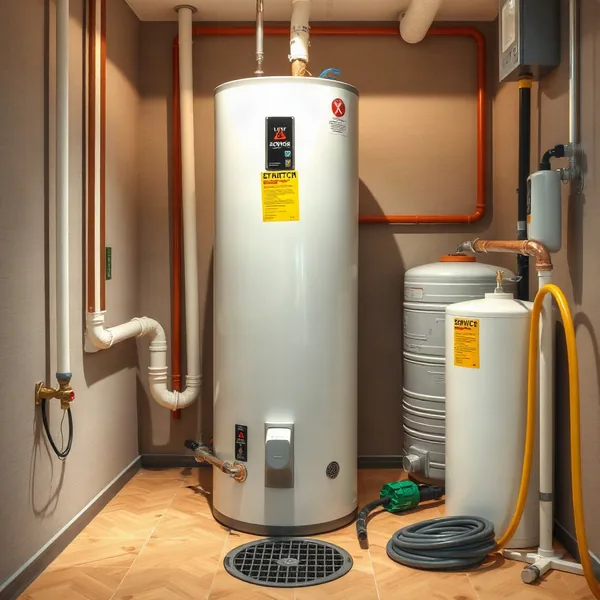
A gas hot water heater not working typically points to a failed pilot light, a faulty gas control valve, or a blocked flue that trips the thermal cutoff. Check that the gas supply valve on the line feeding the unit is fully open before calling anyone. An electric water heater not working almost always involves a heating element or a thermostat, since there's no combustion involved. Tankless water heater no hot water complaints are a different category — flow sensors, scale buildup on heat exchangers, or undersized gas lines are the usual culprits. Each type needs a different diagnostic approach, and mixing them up wastes time.
05
No Hot Water in One Room, the Shower, or a Rented Unit?
mixing valveshared water heaterapartment plumbing
Hot water not working in the shower while other fixtures run warm usually points to a faulty mixing valve inside the shower cartridge, not the water heater itself.
The mixing valve blends hot and cold, and when it sticks or wears out, it limits hot water delivery to that fixture regardless of what the tank is doing. No hot water in an apartment raises a different question: whether the building uses a shared water heater with a circulating loop, and whether demand from other units is simply outpacing supply during peak hours. In rented units, California law requires landlords to provide hot water, so document the outage. A technician checks the apartment plumbing distribution before assuming the heater itself is the problem.
06
How Much Does It Cost to Get Hot Water Restored in Torrance?
service calllabor ratereplacement part cost
A pilot re-light or breaker reset you do yourself costs zero. If your new unit qualifies under SoCalGas rebate programs — specifically ENERGY STAR-certified tankless or high-efficiency models — that rebate can meaningfully reduce the out-of-pocket replacement cost. A licensed C-36 technician quotes exact labor rates after the on-site diagnosis.
07
Older Torrance Homes and Sudden Water Heater Failure
aging tankgalvanized pipinghome age
No hot water in an older Torrance home often reflects the age of the house as much as the age of the unit.
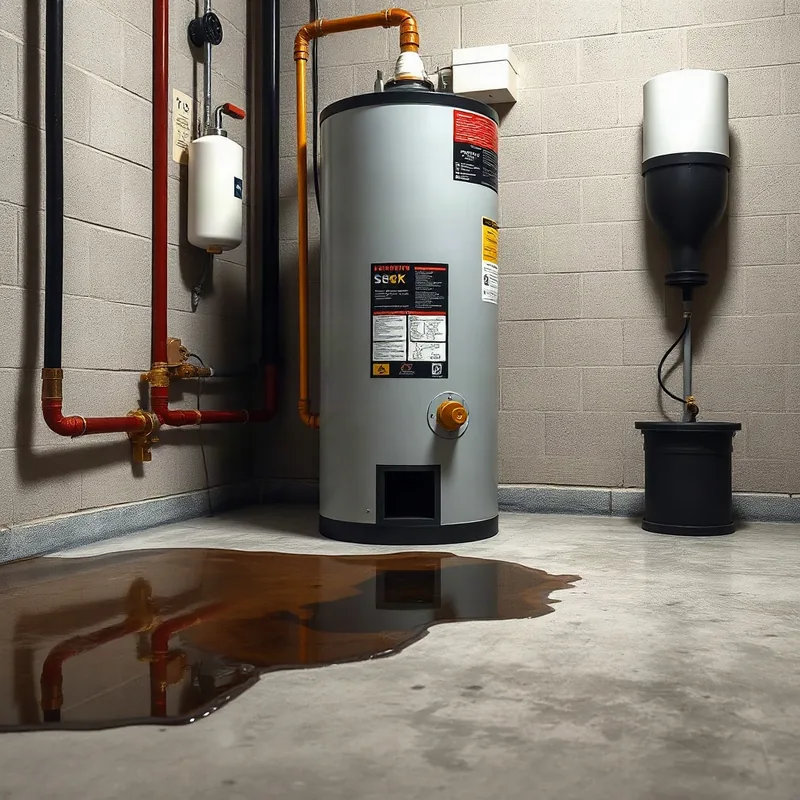
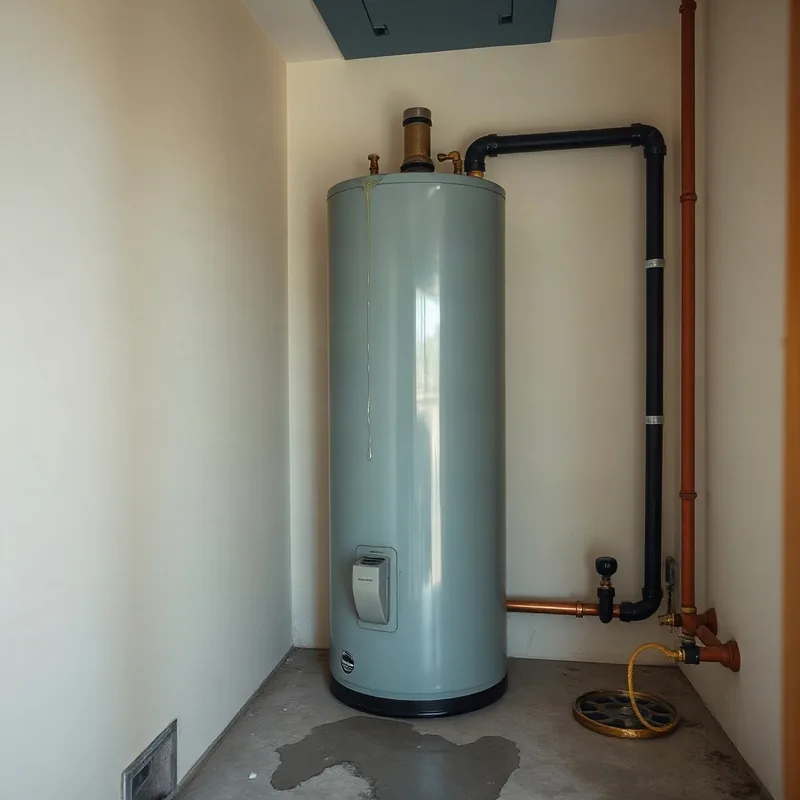
A large share of Torrance's housing stock was built between the 1950s and 1970s, and many of those properties still run aging 50-gallon tank configurations with galvanized piping that restricts flow and corrodes internally over decades. An aging tank past the 12-year mark, paired with galvanized piping and years of sediment accumulation, can fail suddenly rather than gradually. When a technician finds the unit is the second or third failure in that home, the recommendation usually shifts toward replacement — and California's Title 24 standards mean the new unit must be sourced from a compliant product list, which affects both availability and the permit timeline through Torrance Building and Safety.