01
Do You Need a Permit for a Water Heater in Torrance?
Torrance Building & Safetypermit applicationplumbing permit
Yes — a permit is required for every water heater installation or replacement in Torrance, including direct like-for-like swaps at the same location.
The City of Torrance Building & Safety Division enforces this requirement under California plumbing code, and the work must be performed or supervised by a licensed C-36 Plumbing contractor who pulls the permit before a single fitting is touched. This isn't a technicality to ignore: an unpermitted installation can complicate homeowners insurance claims, flag during a home sale, and may violate California Health and Safety Code. If you're asking whether a permit application is necessary for a simple gas tank swap, the answer is still yes.
02
Who Inspects Water Heaters and What Do They Check?
TPR valveventingstrap inspection
Inspectors from the City of Torrance Building and Safety Division conduct water heater inspections after a permitted installation is complete.
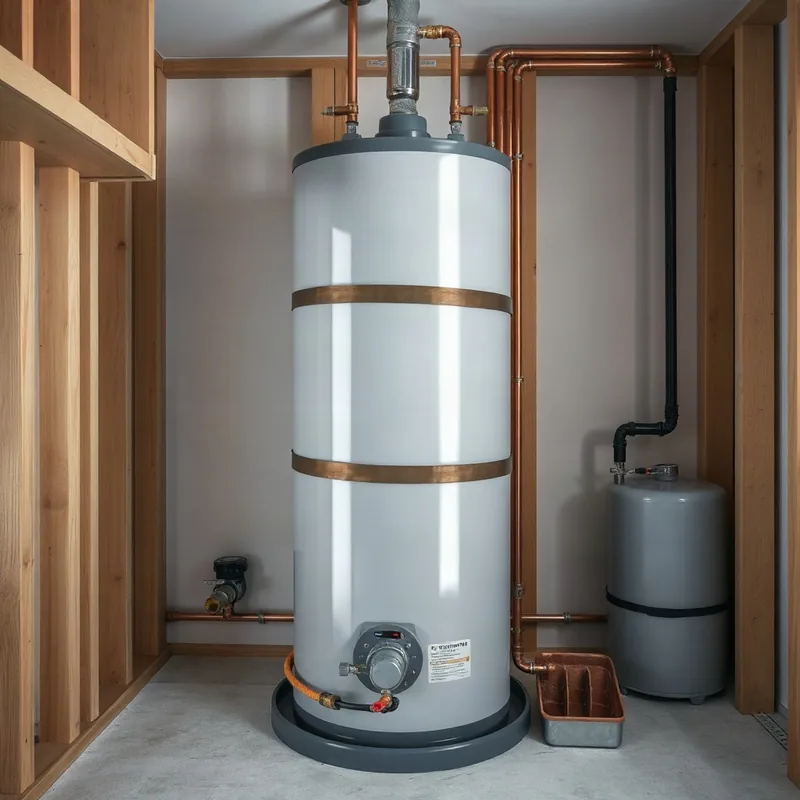
During the visit, the inspector verifies that the TPR valve is correctly positioned and piped to a safe discharge point, that flue venting safely exhausts combustion gases to the exterior, and that the seismic strap inspection confirms the unit is properly anchored per California Health and Safety Code Section 19211. Many Torrance homes built in the 1950s and 1960s have older venting configurations that require closer review, so a thorough strap inspection and venting check can occasionally surface additional work that must be corrected before the permit closes.
03
Do Water Heaters Need to Be Inspected Every Time They're Replaced?
final inspectionrough-in inspectioncode compliance
Every permitted replacement requires a final inspection — there are no exemptions for same-type or same-location swaps.
The inspection sequence typically includes a rough-in inspection if new gas line work is involved, followed by a final inspection once the unit is fully installed and operational. The final inspection confirms code compliance across all components: seismic strapping, venting, gas connections, the TPR valve discharge pipe, and confirmation that the replacement unit meets California Title 24 energy efficiency standards. In Torrance, where a significant share of housing stock predates current code requirements, that final inspection frequently catches outdated venting or missing seismic straps from a prior installation.
04
What Are Torrance's Water Heater Permit Requirements?
permit fee scheduleapplication formplan check
Torrance's water heater permit requirements begin with submitting an application form to the Building & Safety Division along with details about the scope of work and the replacement unit's specifications.
A plan check is generally straightforward for a standard residential tank replacement, but jobs involving new gas line routing or a switch from tank to tankless may require additional review. The replacement unit itself must meet California Title 24 standards — not every model sold nationally qualifies — and every installation must include seismic strapping and a correctly installed TPR valve as non-negotiable code compliance items.
05
How Much Does a Water Heater Permit Cost in Torrance?
permit feevaluation-based costBuilding & Safety office
Permit fees in Torrance are calculated using a valuation-based cost method set by the City of Torrance Building & Safety office, meaning the fee scales with the estimated value of the installation work rather than a fixed dollar amount.
Fees can shift when the city updates its schedule, so relying on an outdated figure is a common source of budget surprises.
06
How Long Does the Permit and Inspection Process Take?
scheduling windowinspector visitpass/fail result
The overall timeline from permit application to a closed final inspection varies depending on the Building & Safety Division's current workload and how quickly the contractor can schedule an inspector visit after installation.
In practice, the permit application is often processed within a few business days for a standard residential job. The inspector visit itself — once scheduled — typically runs 20 to 45 minutes if the installation is straightforward and the pass/fail result is clean. Homes in the scheduling window for inspection sometimes wait several days to over a week depending on seasonal demand. Seismic strapping issues or a venting discrepancy can require a re-inspection, which adds time, so getting the first visit right matters.