info@torrancewaterheaterrepair.com (424) 414-1480 Torrance, United States
Torrance Water Heater Repair Logo (424) 414-1480
Serving Torrance
Free referral service · Licensed local pros

Water Heater Flush Service in Torrance

Clear Sediment, Restore Efficiency — Professional Tank Flushing Across Torrance, CA

Licensed & Insured
Local Pros Near You
Local Pros

Or call directly: (424) 414-1480

Call Now

Call (424) 414-1480

Secure & Confidential

Local Pros Near You

Why Professional Water Heater Flush Matters

Torrance Water Heater Repair connects local homeowners with licensed technicians for tank maintenance, diagnosis, and repair throughout Torrance, California.

A professional water heater flush removes the mineral sediment that Torrance's hard water deposits inside your tank every year — protecting efficiency, reducing noise, and extending the unit's service life.

Related Water Heater Maintenance Services

Stop Wasting Money on Neglect

Skipping annual maintenance cuts your water heater's lifespan by up to 50% — yet most Torrance homeowners never schedule a single checkup. Local pros inspect and replace your anode rod before corrosion eats through the tank, test the pressure relief valve for dangerous failures, and calibrate the thermostat to your ideal temperature. Pair it with our Water Heater Flush or Water Heater Descaling for complete protection.

  • ✓Your energy bills drop when efficiency is restored
  • ✓Every inspection includes a written condition report
Water Heater Maintenance
Stop Wasting Money on Neglect - Licensed

Flush Out Damaging Scale Buildup

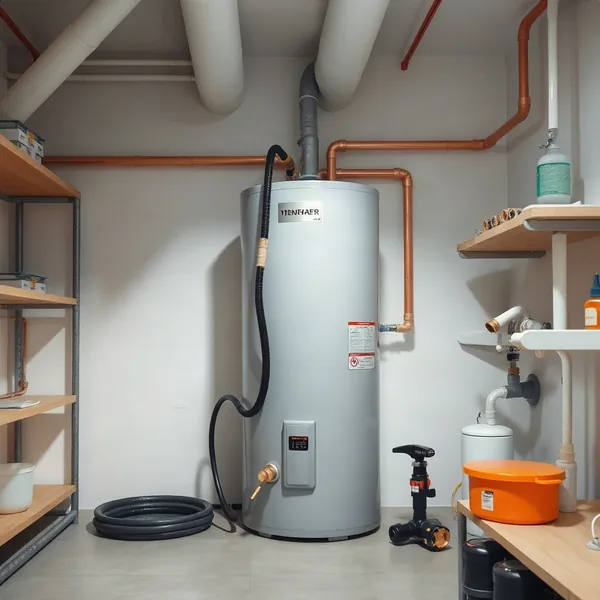
Hard water deposits steal up to 40% of your water heater's efficiency — and Torrance tap water is notorious for it. Our descaling process circulates a citric acid or vinegar solution through your tank using a dedicated descaling pump, dissolving mineral buildup that clogs heating elements and corrodes tank walls. Pair this with a Water Heater Flush for a complete clean.

  • ✓Scale-free tanks heat water faster and use less energy every cycle
  • ✓Descaling extends tank lifespan by 3–5 years realistically
  • ✓Rotten-egg odors caused by bacteria in sediment disappear after treatment
  • ✓Schedule regular Water Heater Maintenance to keep buildup from returning
Water Heater Descaling
Flush Out Damaging Scale Buildup - Licensed
01

How Often Does a Water Heater Need to Be Flushed in Torrance?

hard watermineral sedimentWest Basin supply

Torrance homeowners should plan for a water heater flush once every 12 months — more often than the standard two-year interval most manufacturers print in their manuals.

The reason is hard water. The West Basin Municipal Water District supplies much of the South Bay with imported water drawn from sources with elevated mineral content, and that mineral load means sediment buildup in your tank accumulates faster here than in softer-water regions. Calcium and magnesium deposits settle at the tank bottom and, if left for two or more years, compact into a layer that insulates the burner and forces the unit to work harder. Annual draining keeps that sediment from water heater walls and the heating element before it becomes a real problem.

02

How Much Does a Water Heater Flush Cost?

labor costtank sizesediment level

Tank size is the first cost driver — a 50-gallon unit takes longer to drain and refill than a 40-gallon one, raising the labor cost proportionally. Sediment level matters just as much: a tank that hasn't been serviced in three or four years can have compacted scale that requires multiple rinse cycles and more technician time. Difficult access — a closet installation or a cramped utility room — adds to the labor cost as well. Expect an on-site quote before any work begins.

03

How Do You Drain and Flush a Gas or Electric Water Heater?

drain valvegarden hoseshut-off valvecold water supply

To drain a gas water heater safely, set the thermostat to 'Pilot' and shut off the cold-water supply valve at the top of the unit.

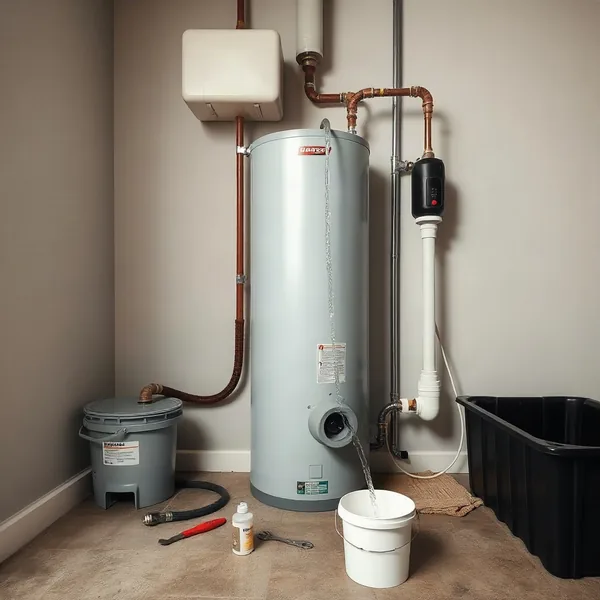
For a flush of an electric hot water heater, cut power at the breaker first — never drain the tank with the element energized. Screw a garden hose onto the drain valve, route the other end to a floor drain or outside, and open a hot-water tap indoors to prevent a vacuum lock. Open the drain valve and let the tank empty, then crack the cold water supply briefly to flush out remaining sediment until the water runs clear. This clean out water heater step is where a DIY water heater flush most often stalls — a stuck or leaking drain valve is the top reason homeowners call a pro mid-job.

04

What Does Sediment Buildup Look Like Inside a Water Heater?

sediment layertank bottomheating element

You can't see inside a sealed tank, but the signs of a hot water heater clogged with sediment are unmistakable.

Water draining from the drain valve during a flush will be cloudy, tan, or rust-colored, and you'll often see gritty flakes of calcium scale settling in a bucket. Inside the tank, the sediment layer accumulates along the tank bottom, directly below the burner or the lower heating element. Over time, that layer hardens and can lock the drain valve partially open or crack a tank weld from repeated thermal cycling. Purging the hot water heater annually through a full flush prevents the layer from compacting. If flushed water stays brown after three rinse cycles, the tank may need a professional assessment rather than just another flush.

05

Flush Kits, Hoses, Drain Valves & Pans — DIY Tools Explained

drain panflush hoseflush pumpdrain valve

A standard DIY flush kit includes a flush hose, a small flush pump for tanks where gravity drainage is slow, and sometimes a replacement drain valve in case the original is plastic and brittle — common on tanks installed in the 1980s and 1990s. The water heater drain pan sits beneath the unit to catch overflow and protect flooring; California code generally requires one for indoor installations. A water heater drain pump is useful when the drain pipe outlet sits higher than your floor drain, since gravity alone won't empty the tank. Tankless flush kit setups differ: they use a submersible pump, two short hoses, and a bucket of white vinegar circulated through the heat exchanger to dissolve mineral scale. Never skip the drain pan — it's your first line of defense if the drain valve drips after you close it.

06

Do You Offer Water Heater Flush Service Near Me in Torrance?

Torrance service areaSouth Bayon-site quote

Yes — hot water heater flush service is available throughout Torrance and surrounding South Bay cities, including Redondo Beach, Gardena, Carson, Lawndale, and Lomita.

When you contact us, mention your tank size and the last time it was serviced; that helps the technician arrive with the right tools, including a replacement drain valve for hot water heater drain bibs that are corroded or plastic. Every technician we dispatch holds a California C-36 Plumbing contractor license, which the City of Torrance Building and Safety Division requires for plumbing work here. A routine tank flush doesn't require a permit, but any repair or replacement uncovered during the visit does — and a licensed pro pulls those permits correctly so your insurance and resale records stay clean. Request an on-site quote to confirm exact pricing.

07

Does Flushing With Vinegar Actually Work?

white vinegardescaling agentmineral deposits

White vinegar works as a descaling agent for tankless water heaters, where it can be circulated directly through the heat exchanger to dissolve mineral deposits — that's exactly what a tankless flush kit is designed to do.

For standard storage tanks, a vinegar flush is less practical: you'd need to fill the tank with enough white vinegar to submerge the mineral deposits at the bottom, let it sit for several hours, then drain it. The vinegar does break down calcium scale, but the volume required makes it costly and the process messy. Most technicians skip vinegar on tank units and instead rely on a thorough cold-water rinse through multiple flush cycles to remove sediment. Vinegar remains the right tool for tankless descaling, where even Torrance's relatively mild 45°F winter inlet temperatures don't spare the heat exchanger from hard-water scale.

Areas We Serve in Torrance

We connect homeowners in these ZIP codes with licensed local water heater repairs.

Torrance (90501, 90502, 90503, 90504, 90505, 90506, 90507, 90508, 90509, 90510)

Call to be connected with a licensed local pro in these ZIP codes.

Why Choose Us for Water Heater Flush?

Trusted water heater repair professionals serving Torrance

Flush Cost Range

Technicians confirm the exact price on-site before starting, so there are no billing surprises after the drain valve is opened.

4-Step Flush

Step-by-Step Process

Every tank flush follows a four-step sequence: shut down and isolate, drain via garden hose, rinse until water runs clear, refill and restore. The full process typically takes 45 minutes to 1.5 hours on a standard residential tank.

Annual Service

Annual Flush Schedule

Torrance's hard municipal water supply accelerates sediment buildup faster than in soft-water cities. Local pros recommend scheduling a tank flush every 12 months — not the standard 24 — to prevent compacted scale from shortening your unit's service life.

3-Year Rule

Pro vs. DIY Guidance

A DIY flush is reasonable if your drain valve is functional and the unit is under 5 years old. Local pros recommend calling a licensed technician when the drain valve is stuck, the water won't run clear after 3 rinse cycles, or the tank hasn't been serviced in over 3 years.

6+ Cities Served

South Bay Coverage

Flush service covers Torrance and the surrounding South Bay, including Redondo Beach, Gardena, Carson, Lawndale, and Lomita. Every dispatched technician holds a California C-36 Plumbing license as required by the City of Torrance Building and Safety Division.

3 Warning Signs

Sediment Symptom Check

Popping or rumbling noises, reduced hot water output, and discolored water at the tap are the three most common signs that sediment has compacted inside your tank. A single flush resolves most noise complaints when caught before the sediment layer hardens.

How Water Heater Flush Works

Simple steps to get your water heater flush done in Torrance

1

Book Your Water Heater Flush

We respond within minutes.

2

Free Water Heater Flush Survey

3

Upfront Fixed Price

One fixed price for your water heater flush — no hidden charges, ever.

4

Water Heater Flush

Frequently Asked Questions

How often should I flush my water heater with Torrance's hard water?

▼

Torrance receives its water supply through the West Basin Municipal Water District, which draws heavily from imported Southern California sources known for elevated mineral content. This hard water accelerates sediment and scale buildup inside your tank far faster than in soft-water regions. While most manufacturers recommend flushing every 1–2 years, Torrance homeowners should plan for an annual water heater flush as part of routine water heater maintenance service. Skipping yearly flushes in hard-water areas allows calcium and magnesium deposits to compact at the bottom of the tank, reducing efficiency, increasing energy bills, and shortening the heater's service life. If your unit is older — many Torrance homes built between the 1950s and 1970s still run 50-gallon standard tanks — annual flushing is especially important to extend the life of an aging system.

How much does a water heater flush cost?

▼

The final price depends on tank size (40-gallon vs. 50-gallon or larger), the severity of sediment accumulation, and ease of access to the drain valve and water heater drain bib. Tanks that haven't been flushed in several years may have heavily compacted sediment or a corroded drain valve that requires extra labor or replacement parts, pushing costs toward the higher end. A local technician will confirm exact pricing after an on-site assessment. Note that if sediment buildup is severe enough to indicate premature tank failure, a technician may discuss replacement options — at which point SoCalGas rebate programs for qualifying high-efficiency or ENERGY STAR-certified units can meaningfully offset the cost of upgrading.

Can I flush my water heater myself?

▼

Yes, a basic DIY flush is possible if your water heater drain bib (the drain valve at the base of the tank) is functional and you are comfortable with the steps. Here is the general process for how to flush a water heater: (1) Turn the thermostat to the 'Pilot' or lowest setting and shut off the cold-water supply inlet. (2) Connect a garden hose to the drain valve and route it to a floor drain or outside. (3) Open a nearby hot-water tap to prevent a vacuum, then open the drain valve and let the tank empty. (4) Briefly reopen the cold-water supply to flush remaining sediment until the water runs clear. (5) Close the drain valve, refill the tank, restore power or gas, and check for leaks. Call a professional instead if: the drain valve is stuck or leaking after you open it, the water never runs clear after multiple flushes, you notice the water heater making loud noises during draining, or the unit has not been serviced in more than three years. A seized valve on an older tank is common in Torrance homes with decades-old installations and usually requires a pro to replace safely.

Why is my water heater making popping or rumbling noises?

▼

Popping, rumbling, or banging sounds from a water heater are almost always caused by a layer of sediment — primarily calcium and magnesium scale — that has settled on the bottom of the tank. As the burner heats water trapped beneath that sediment layer, small steam bubbles force their way through, creating the popping or rumbling sound you hear. This is one of the clearest signs that a water heater flush is overdue. In most cases, a thorough flush that fully drains and rinses the tank will eliminate or significantly reduce the noise. If the noise persists after flushing, the sediment layer may be thick enough to have caused localized overheating and tank damage, at which point replacement becomes worth evaluating. Because Torrance's hard municipal water accelerates sediment accumulation, these noises tend to appear sooner here than in soft-water areas — another reason annual water heater maintenance service matters locally.

How long does a water heater flush take?

▼

A standard professional water heater flush on a residential tank typically takes 45 minutes to 1.5 hours from start to finish. This includes shutting down the unit, draining the tank, flushing with cold water until it runs clear, refilling, relighting or restoring power, and confirming there are no leaks at the drain valve or water heater drain bib. If the drain valve is corroded and needs replacement, or if sediment is heavily compacted and requires repeated flushing cycles, total time can extend to 2 hours or more. DIY flushes on the same size tank generally take a similar amount of time, though locating the correct shut-offs and hose routing can add time for first-timers. Either way, the unit is typically back in full operation the same visit.

Have more questions? Call us anytime!

Speak to a local water heater(424) 414-1480Call Now