01
Why Is My Water Heater Leaking From the Top?
inlet fittingoutlet nipple
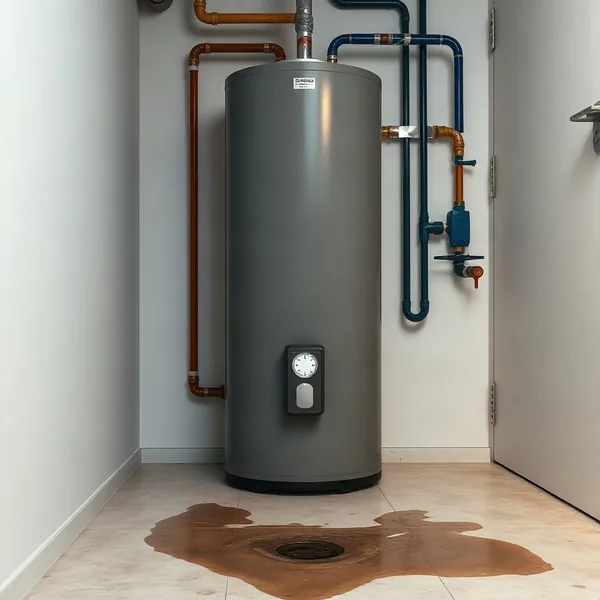
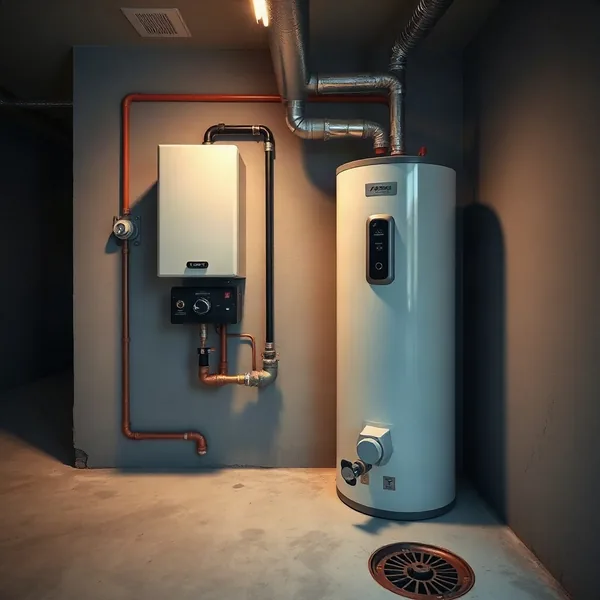
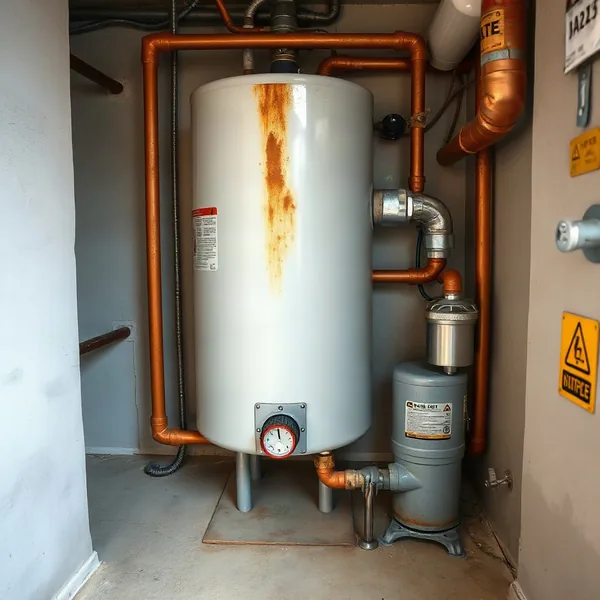
A water heater leaking from the top almost always traces back to one of three components: the T&P valve, the cold water fitting at the inlet, or the hot water outlet nipple.
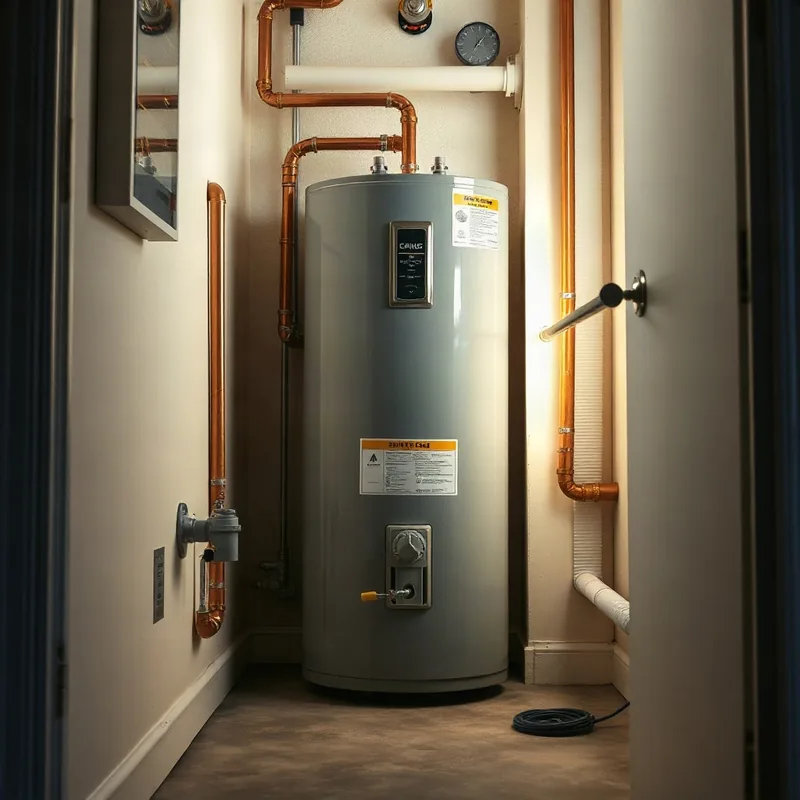
The T&P valve sits on the side or top of the tank and is the most common culprit — it opens deliberately when pressure or temperature climbs too high. The inlet fitting and outlet nipple, both threaded into the top of the unit, can develop slow drips after years of thermal cycling, especially in older Torrance homes where original dielectric nipples have been corroding since the 1960s. Spotting the exact source first saves time; a drip near the thermostat housing looks similar but points to a completely different fix. With a hot water heater leaking from the top, early diagnosis prevents minor seepage from becoming a flooded utility closet.
02
Is It the Overflow Pipe or T&P Valve Leaking?
T&P valveoverflow discharge pipe
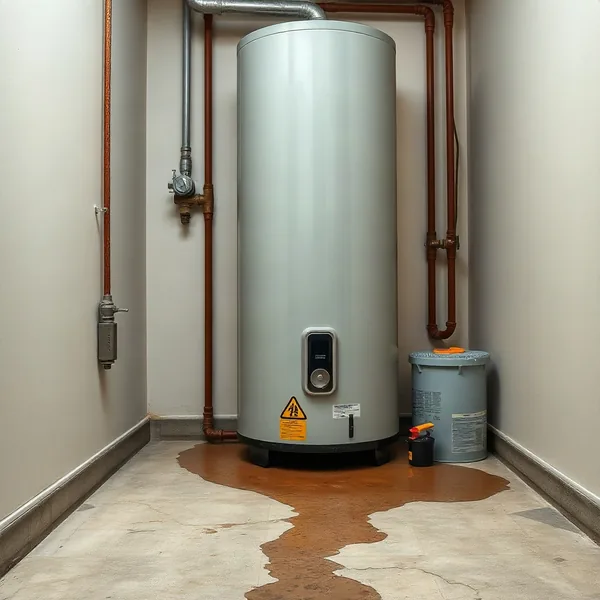
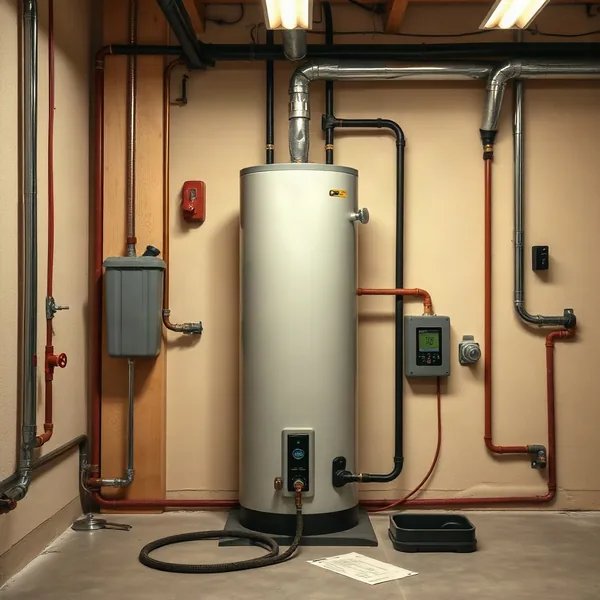
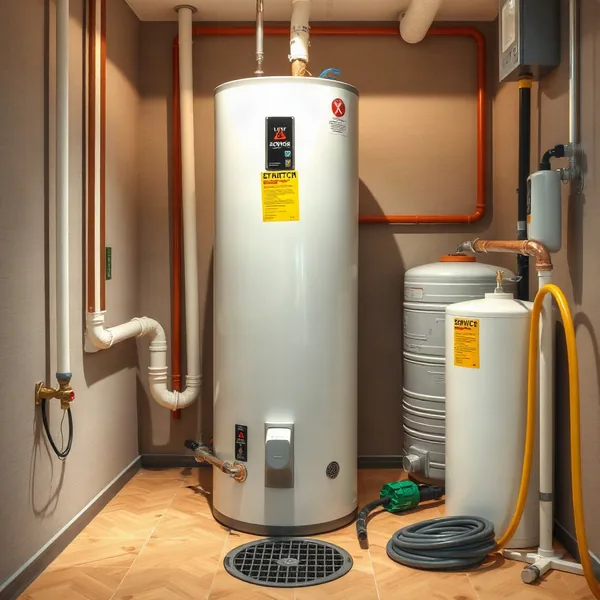
Water dripping from the overflow pipe running down the side of the tank is not a separate leak — it is the T&P valve discharging.
The T&P valve releases water through that overflow discharge pipe when tank pressure exceeds 150 psi or temperature tops 210°F. A hot water heater leaking from the overflow pipe occasionally during a long shower cycle may just mean the thermostat is set too high. A water heater leaking from the overflow pipe continuously signals that the valve itself has weakened and can no longer reseat, or that an upstream pressure issue is forcing it open repeatedly. Never cap or plug the water heater overflow pipe — doing so turns a safety device into a ticking hazard. If the valve has been dripping for more than a day or two, replacement is the only safe fix, not a temporary patch.
03
Could High Water Pressure Be Forcing the Leak?
pressure reducing valvemunicipal water pressure
Yes — and in Torrance this is a more common trigger than most homeowners expect.
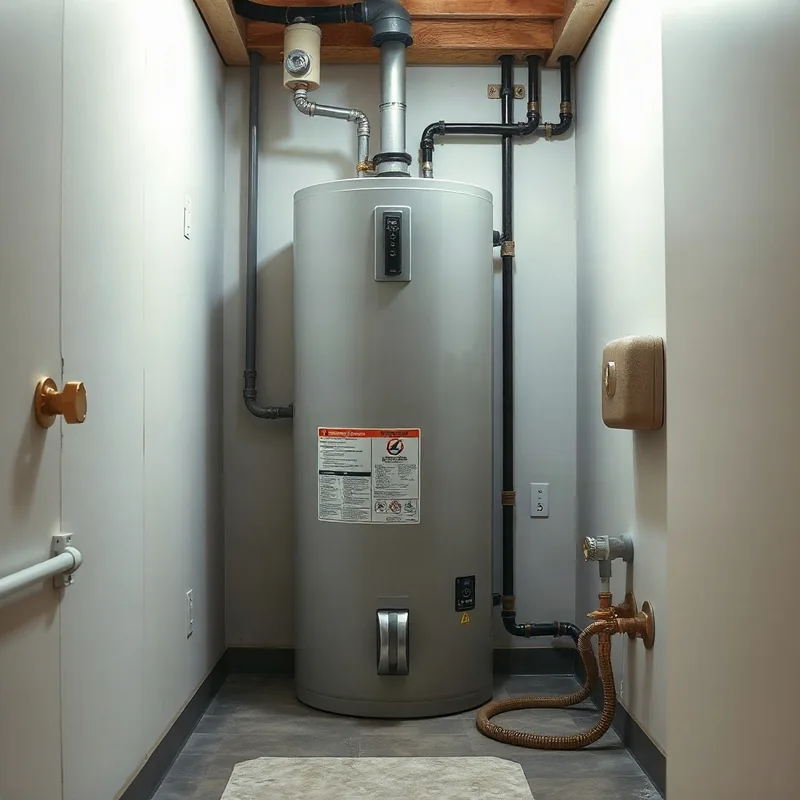
Municipal water pressure in some Torrance neighborhoods runs above 80 psi, which exceeds the threshold most T&P valves are rated to hold without discharging. Without a functioning pressure reducing valve on the home's main line, that street pressure feeds directly into the tank. A technician will typically test pressure at an outdoor hose bib with a gauge; readings above 80 psi confirm the problem. Skipping that fix and simply swapping the T&P valve usually results in the new valve weeping again within a few weeks, because the root cause — elevated municipal water pressure — was never corrected.
04
How Much Does It Cost to Fix a Top Leak in Torrance?
valve replacement costfitting repair cost
Homeowners replacing a tank unit may qualify for Southern California Gas Company rebates on ENERGY STAR-certified high-efficiency or tankless models, which can meaningfully reduce the net cost of going that route.
05
Can I Tighten a Leaking Fitting Myself?
pipe wrenchthread seal tape
A homeowner can safely snug a loose cold water fitting with a pipe wrench if the joint is simply under-tightened and the fitting itself is undamaged — that is a five-minute job.
Wrap the threads with fresh thread seal tape before re-engaging to get a reliable seal. Any work involving the T&P valve should always be done by a licensed tech: the valve must be tested after installation, the overflow pipe must discharge to a safe location per California plumbing code, and in Torrance the work may require a permit depending on scope. When in doubt, a diagnostic visit costs far less than a flood.